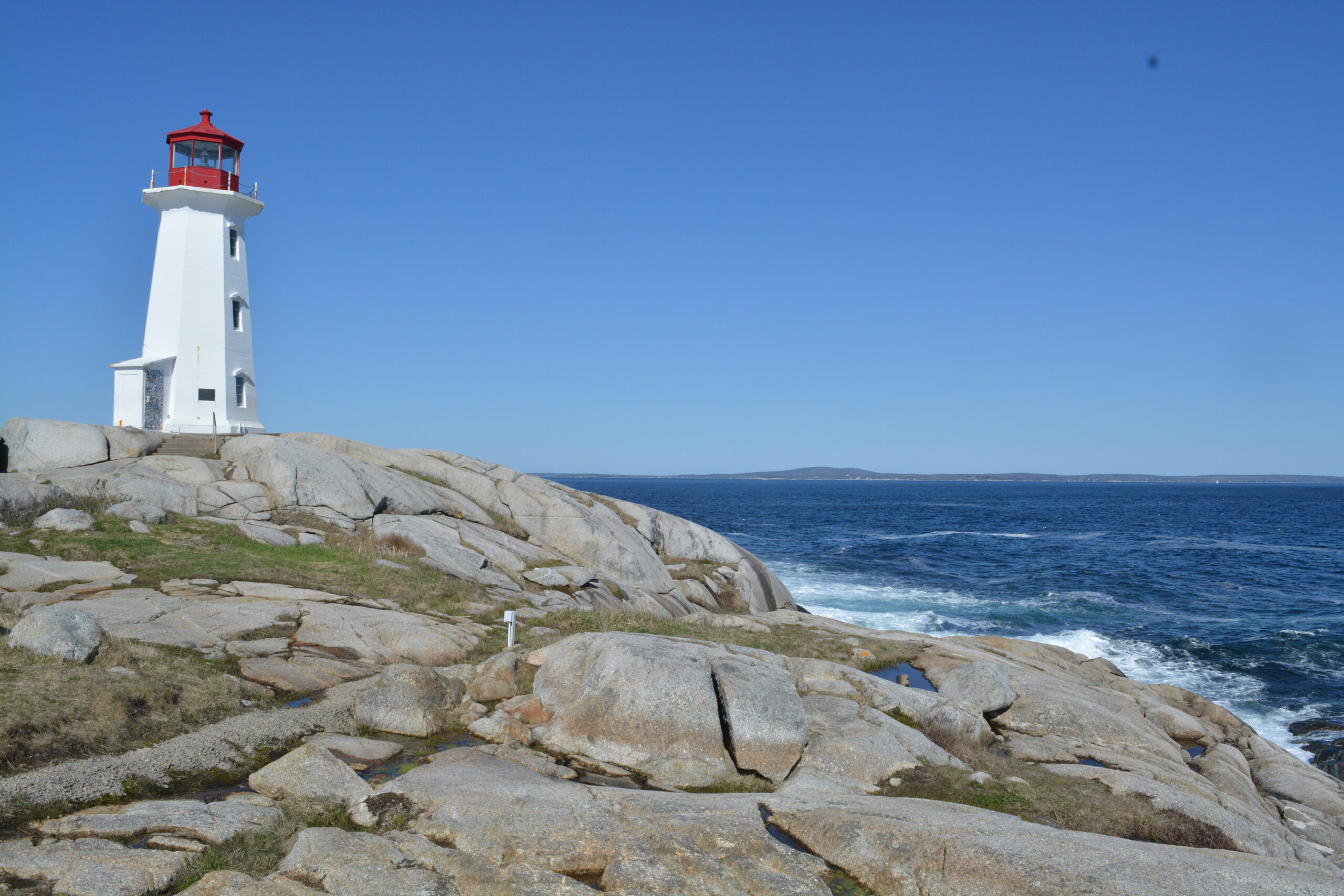
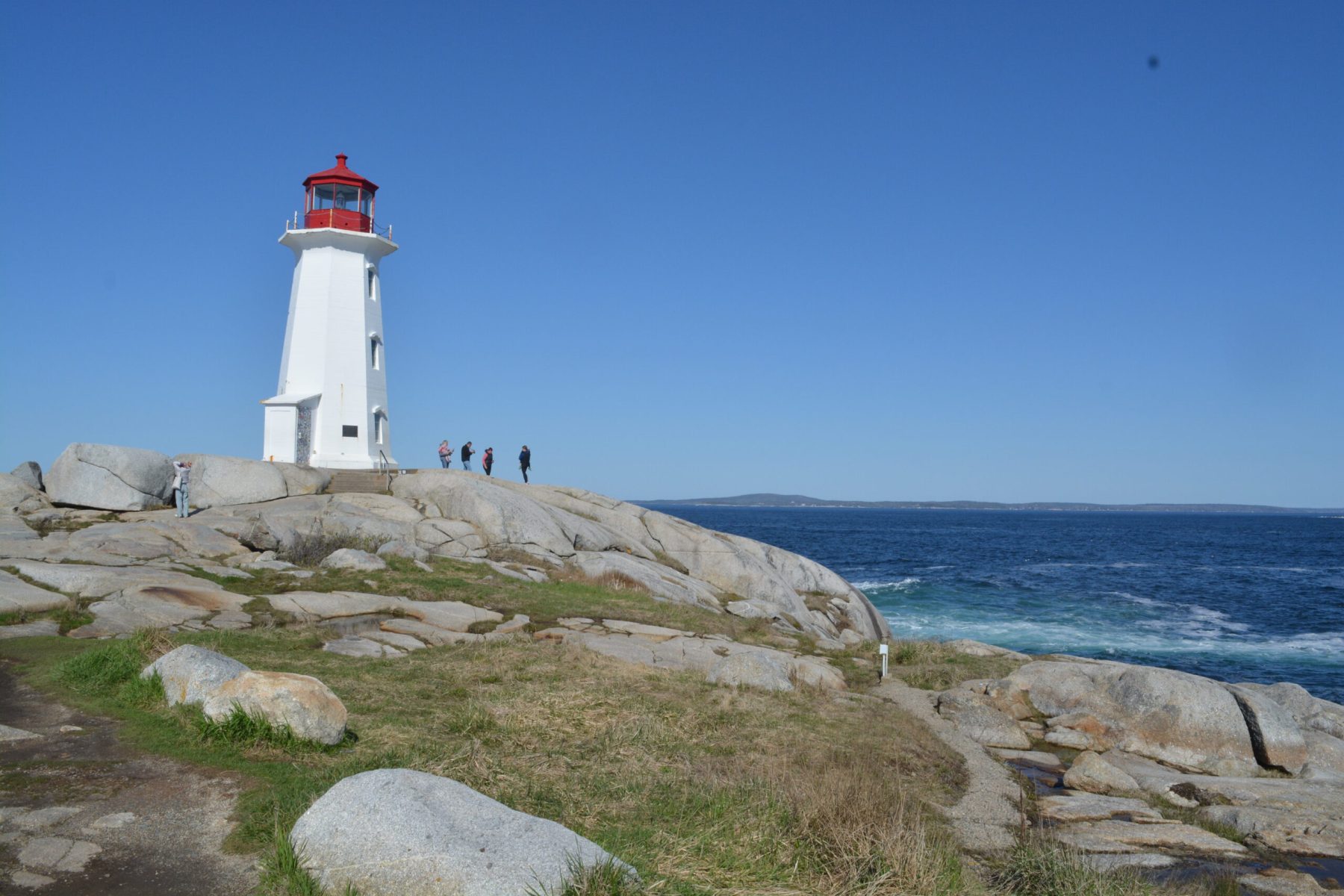
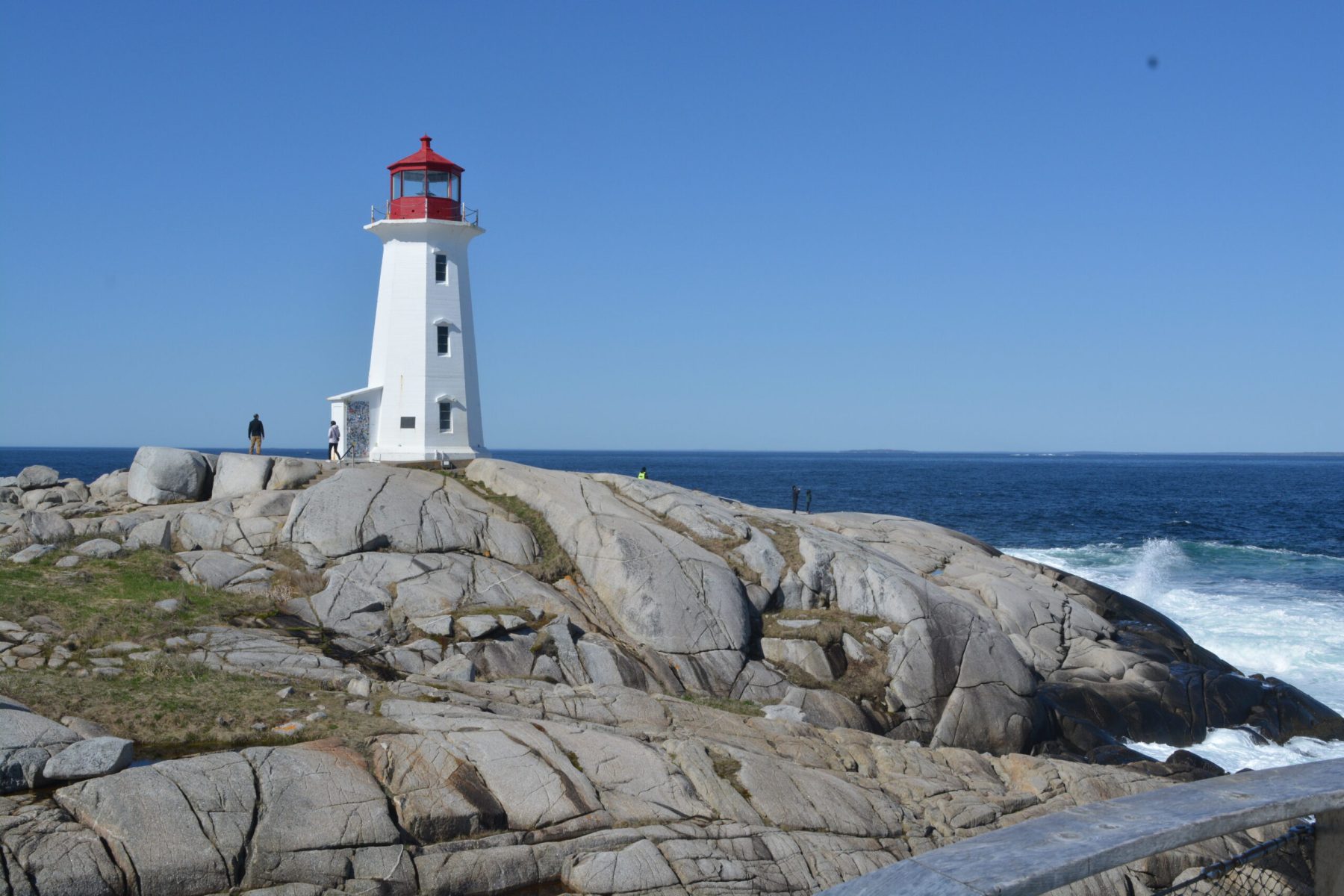
Probably the most famous lighthouse in Nova Scotia – if not the whole of Canada – is at Peggy;s cove, a lovely fishing village snuggled between the huge granite slabs of the south coast.

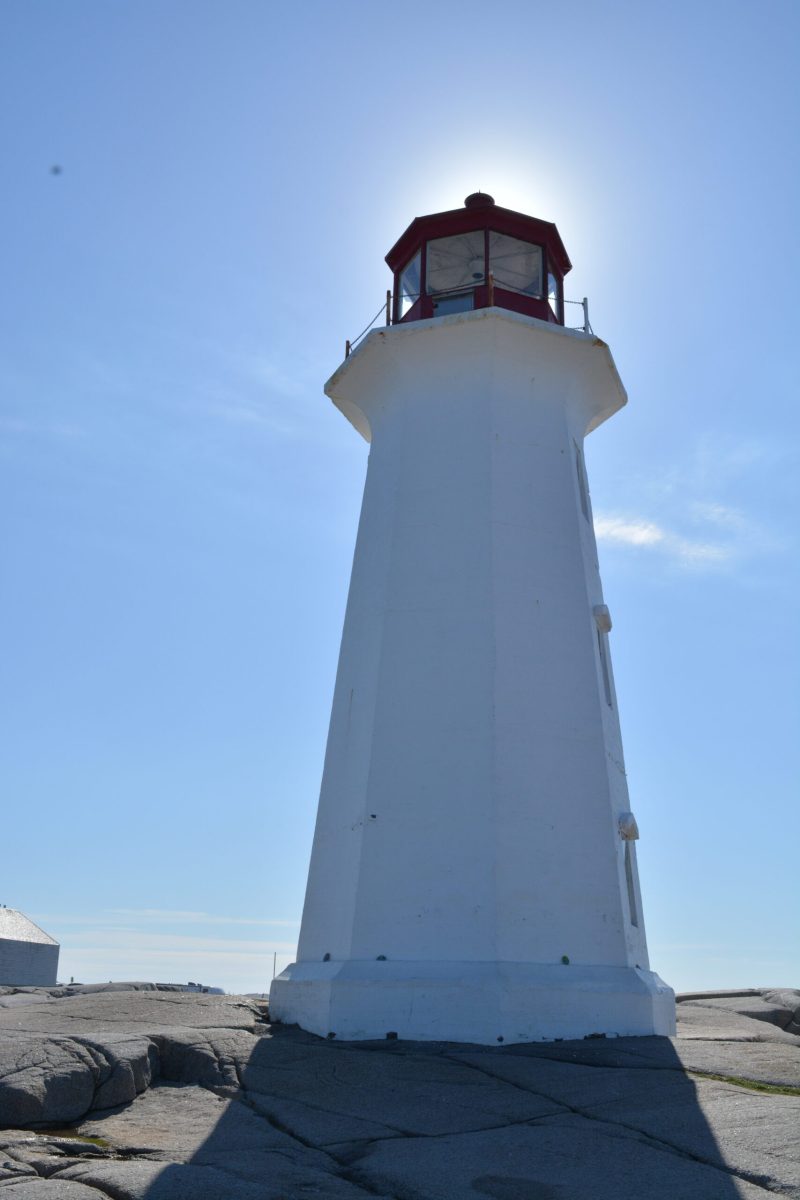
The lighthouse at Peggy’s Cove is one of the most photographed and recognizable landmarks in all of Canada, perched dramatically atop smooth, wave-swept granite boulders at the entrance to St. Margarets Bay, about 43 kilometres southwest of Halifax. The current lighthouse, designated as Canadian Post Office number 9 and still an active navigational aid, was built in 1914 and stands as a striking octagonal tower painted white with a distinctive red top. The surrounding landscape — ancient glacially sculpted rock, crashing Atlantic surf, and the tiny colourful fishing village nestled in the cove — creates a scene of rugged coastal beauty that has made Peggy’s Cove one of Nova Scotia’s most beloved tourist destinations, drawing hundreds of thousands of visitors each year.
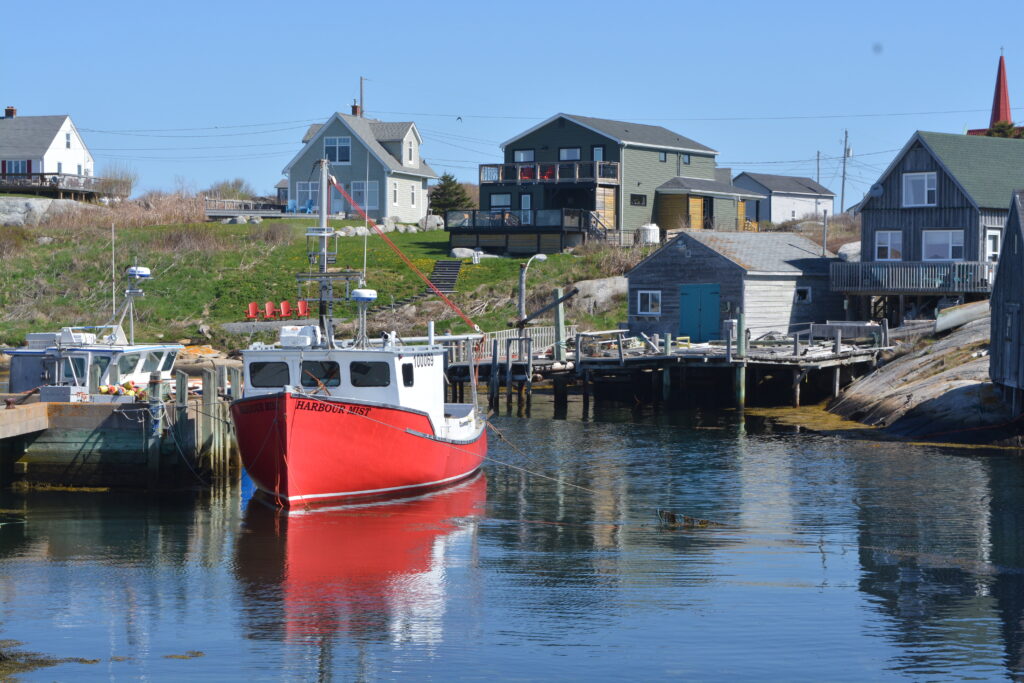
The site also carries a somber dimension, as the nearby Swissair Flight 111 memorial commemorates the 229 people who perished when the aircraft crashed into the waters just off the coast in September 1998. Despite its fame and the steady stream of visitors, Peggy’s Cove retains a genuine, working character — local fishermen still haul lobster from the same harbour that tourists photograph — giving it an authenticity that sets it apart from more commercialized attractions.
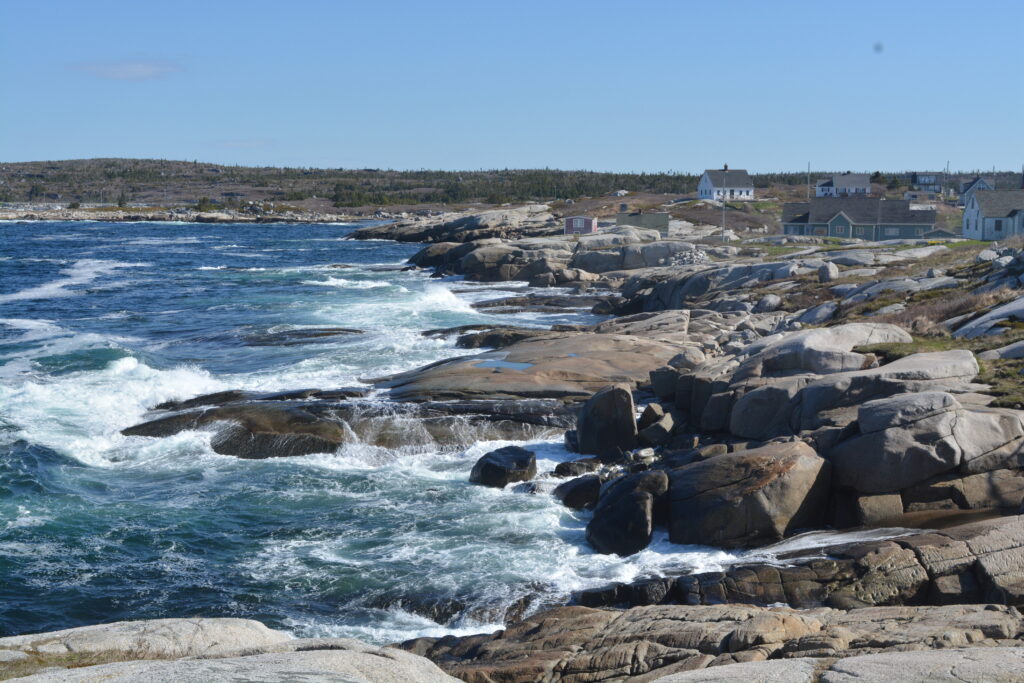
The rocks around the lighthouse, beautiful as they are, carry a perpetual warning: rogue waves have claimed lives there, and the danger is taken seriously by locals and posted prominently for visitors.
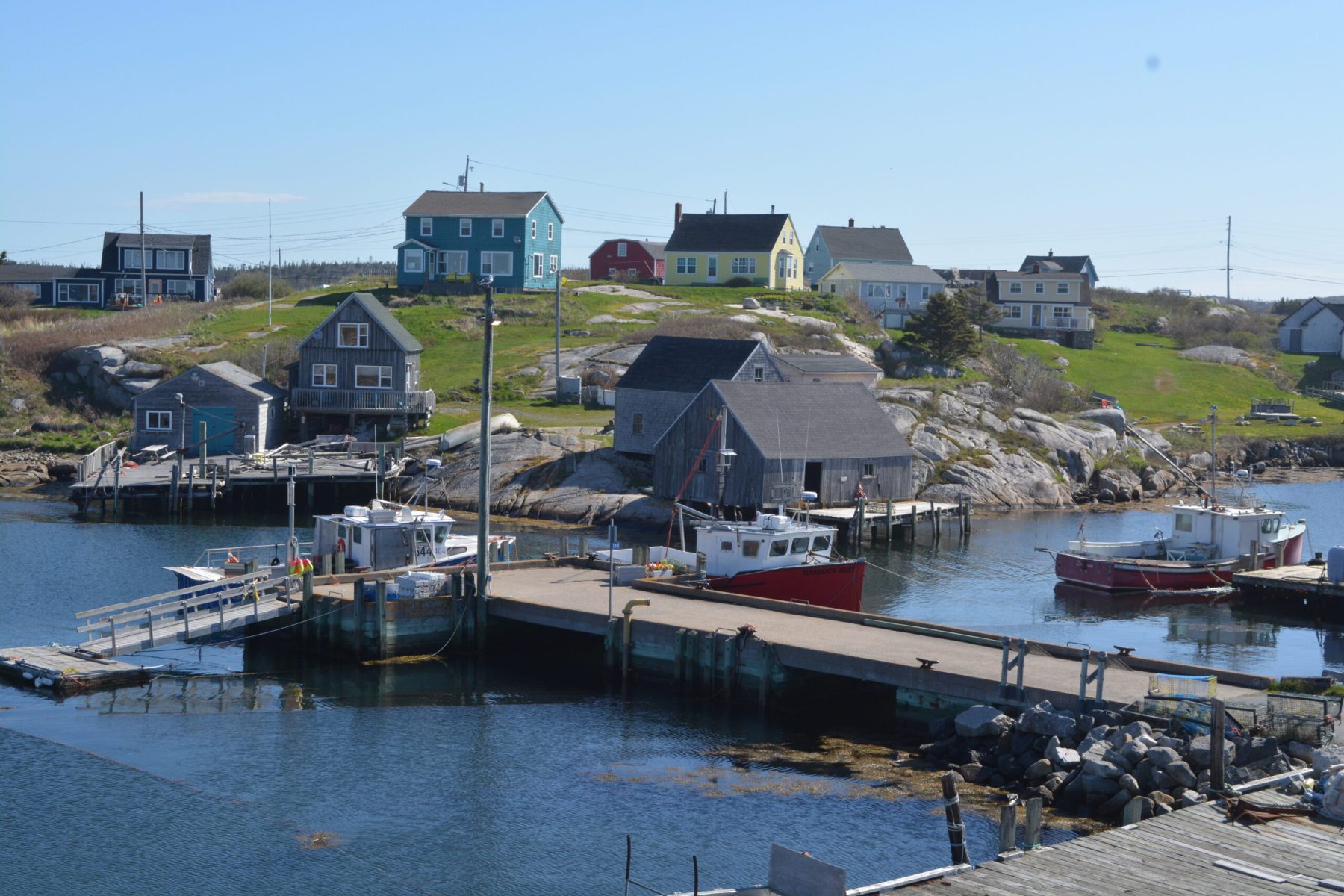
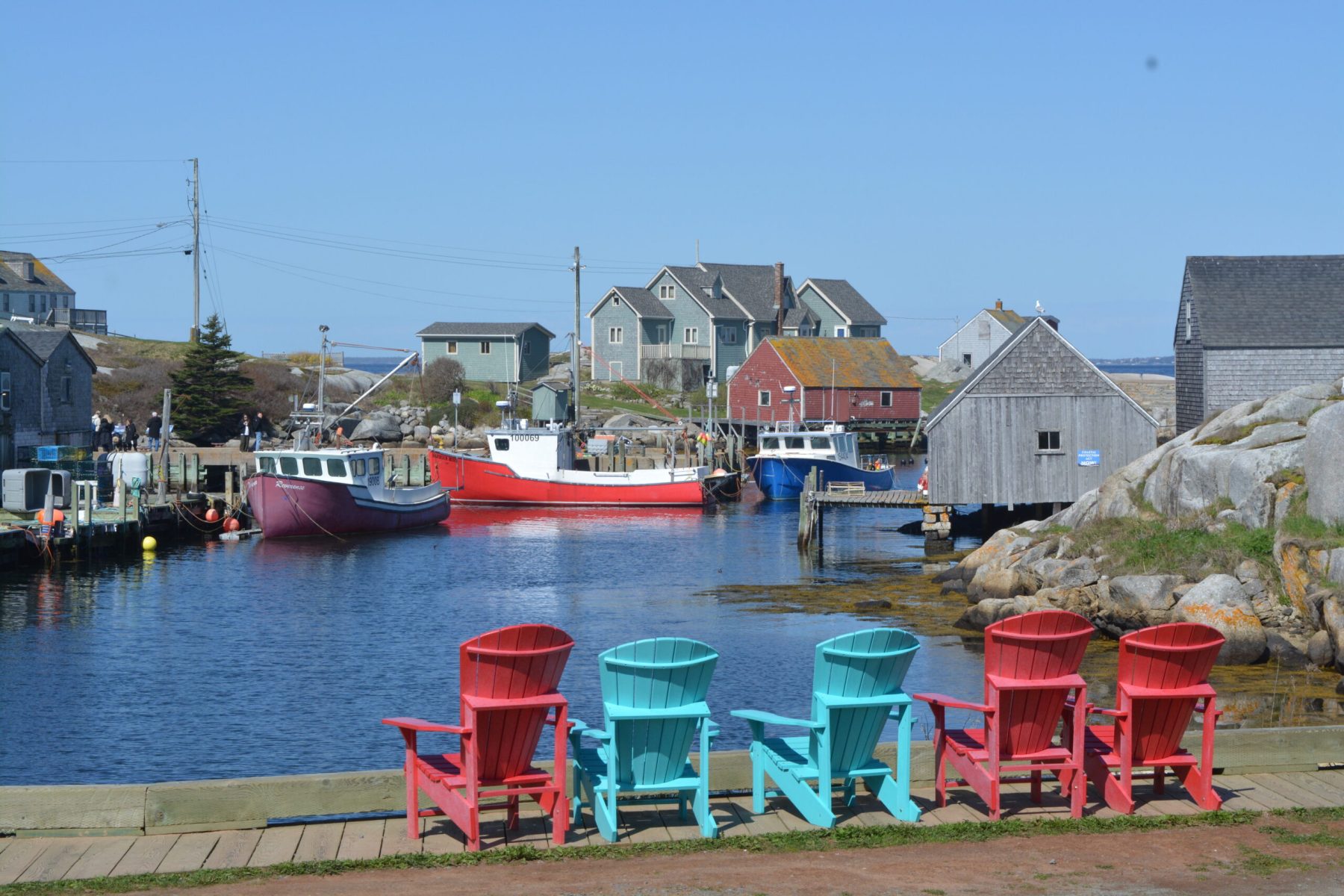
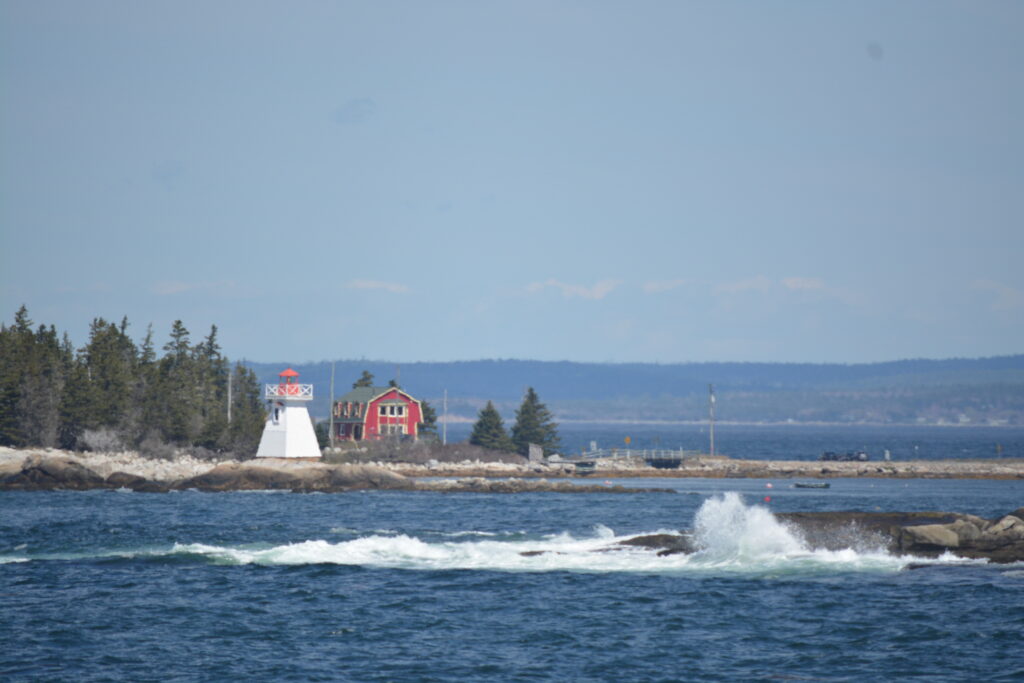
The south coast is dotted with lighthouses – a map of wrecks shows hundreds of vessels that came to grief, so it’s understandable that there are so many warning lights. Just up the coast from Peggy’s Cove, we found this little lighthouse, maintained by the local community.
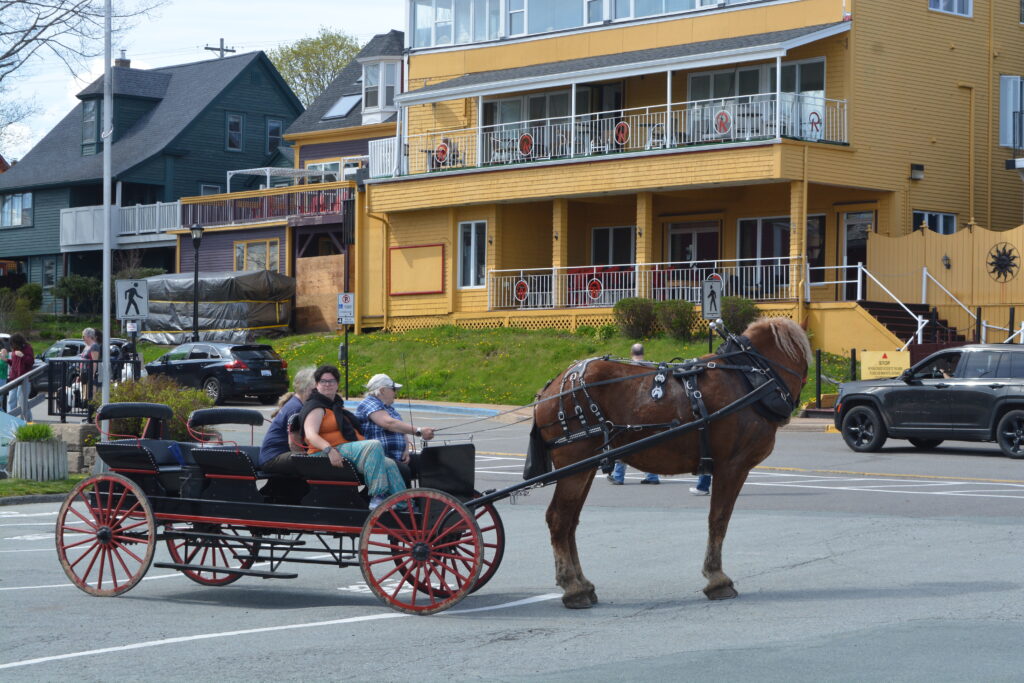
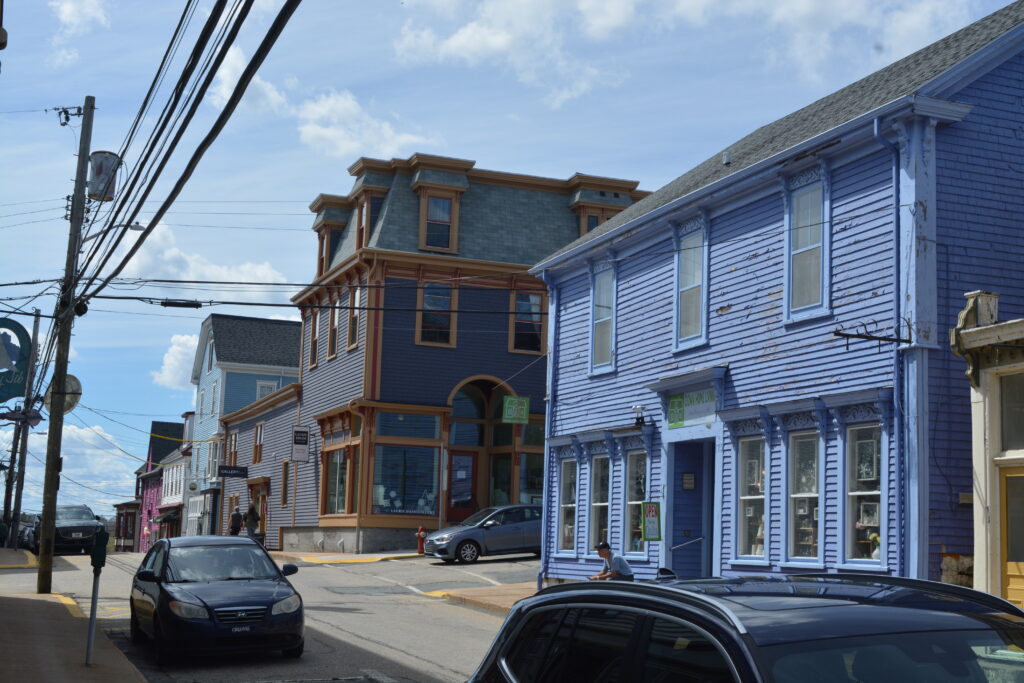
Exploring further, we picked up a delicious lunch at a little cafe near Mahone Bay, the Islandview Restaurant. We spent the afternoon at Lunenberg, where every building is a crazy colour.
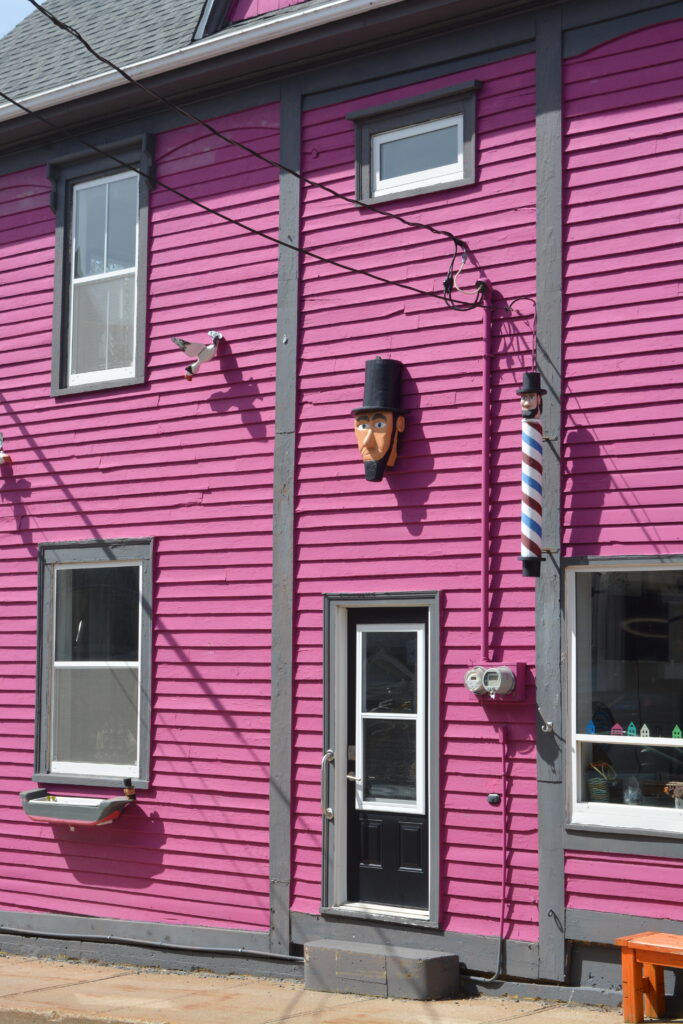
It’s one of the most beautifully preserved colonial settlements in North America. Founded by Protestant settlers in 1753, the town’s distinctive Old Town district was designated a UNESCO World Heritage Site in 1995 in recognition of its remarkably intact British colonial urban planning and its colourful, architecturally unique buildings that climb the hillside above the harbour in a vivid patchwork of reds, blues, yellows, and greens.
Lunenburg is the birthplace of the famous Bluenose, the celebrated racing and fishing schooner whose image graces the Canadian dime, and a replica vessel, the Bluenose II, calls the town’s harbour home. The town has deep roots in the Grand Banks fishery and continues to maintain a working waterfront.